To succeed in progression raiding in World of Warcraft, assemble a systematic team with clear roles and balanced composition. Implement strategies through open communication, regular performance evaluations, and well-timed callouts. Analyze wipes to refine your approach, focusing on key mechanics and individual improvements. Practice and mastering your class is essential for best rotation, spatial awareness, and errorlessness. Manage resources and optimize gear for enhanced success. Continue refining your skills to conquer the most challenging encounters.
Key Takeaways
- Prioritize a balanced team composition with diverse roles and skill levels to enhance adaptability and performance.
- Develop effective leadership through clear communication, support, and strategic role assignment.
- Conduct regular performance analysis using tools like Warcraft Logs to identify areas for improvement.
- Enhance mechanics execution through focused practice, perfecting rotations, and accurate timing.
- Adapt strategies to raid boss mechanics, utilizing positioning, cooldowns, and grid coordination for successful progression.
Forming Strong Raid Teams
Forming Strong Raid Teams
When building a raid team, prioritize finding a cohesive group with a balance of roles, including healers, damage dealers, and support members to guarantee consistent progress. This balance ensures that each member can effectively contribute to the team’s success in progression raiding.
To achieve team synergy, effective communication skills are essential. A strong team leader should encourage open dialogue, making sure that all members understand their roles and strategies. For example, a tank should coordinate with healers to manage damage, while damage dealers need to communicate about cooldown usage. This teamwork prevents critical mistakes and enhances overall performance.
Recruitment strategies also play a significant role. Identify the specific roles you need to fill and evaluate potential members based on their class, experience, and skill level. A well-rounded team composition includes a balance of classes and roles to effectively handle different raid encounters.
Coordinating Strategies Effectively
To coordinate strategies effectively in progression raiding, you must set a clear direction for your team to avoid confusion.
This means breaking down complex encounters into manageable phases, ensuring everyone understands their role in each phase.
Setting Direction
As you step into the world of raiding, setting direction involves coordinating strategies effectively by clearly communicating each raid member’s role in the team and regularly adjusting strategies based on performance analysis. This guarantees everyone knows their responsibilities and contributes to the team’s overall success.
Key Strategies for Setting Direction
- Goal Setting: Define realistic and achievable goals for each raid tier. This helps maintain focus and motivation. Identify specific objectives for each session, such as completing a certain phase or improving performance on a particular encounter.
- Team Building: Foster a positive team environment where feedback is constructive, and setbacks are seen as opportunities to learn. Celebrate successes and maintain a sense of camaraderie to keep the team cohesive and motivated.
- Regular Adjustments: Analyze performance regularly and make adjustments to tactics accordingly. This could involve tweaking strategies, refining individual roles, or incorporating new ideas from team members.
Avoiding Confusion
In order to coordinate strategies effectively, maintain consistent callouts by using navigational terms that are easily understandable by everyone in the team. This can greatly reduce confusion and make sure all members are working towards the same goals. Using a clear and consistent system for calling out directions, such as numbering platforms or referring to specific landmarks, prevents miscommunication and speeds up the team’s ability to adapt to new encounters.
Effective communication is key to progression raiding. Assigning specific roles and responsibilities at the start of each raid can significantly reduce confusion. Make certain that each team member understands their role in the overall strategy, whether it be tanking, healing, or dealing damage. Additionally, make use of tools like voice chat and add-ons that provide real-time alerts and timers to further enhance coordination.

Clear assignments not only enhance efficiency but also boost team morale. When everyone is on the same page, the entire raid operates more smoothly, and progress is achieved more quickly. As a result, prioritize clear and concise communication, combined with well-defined roles, to make sure that your team can execute complex strategies seamlessly and effectively.
Phase by Phase
When implementing multi-phased strategies, break them down into manageable chunks by clearly identifying each phase’s objectives and in this way making sure that all team members understand when and how to adjust their actions. This approach helps prevent confusion and allows everyone to work together more effectively.
For coordinated strategies, consider these key aspects:
- Gear Optimization and Player Rotation: Confirm each player is equipped with the right gear for the phase they’re in. Adjust player rotations to maximize outputs and compensate for limitations.
- Resource Management: Monitor and manage your team’s resources, including health, mana, and cooldowns, to avoid depletion.
- Cooldown Usage: Coordinate the use of cooldowns strategically to maximize their benefits, especially during critical moments.
Managing Wipes and Learning
You’ve likely spent hours wiping on a particularly tough boss, wondering how to improve your strategy and finally secure a kill. Managing wipes and learning from them effectively is essential to successful progression raiding.
From understanding solid wipe analysis strategies to implementing adaptive re-engagement tactics and efficient recovery techniques, it’s time to explore the tools that will help you overcome those frustrating obstacles.
Wipe Analysis Strategies
You leverage detailed wipe analysis to maximize learning from each raid, even when progression feels stagnated. This allows you to identify specific mistakes and improve your overall performance. By analyzing each raid more closely, you can pinpoint the key issues that need to be corrected.
Here are three key strategies for putting this into practice:
- Raid Wipe Review: After each wipe, review what went wrong in the fight. Identify if certain mechanics were misunderstood or if players made key mistakes. This will help you address any knowledge gaps and decrease the number of wipes significantly.
- Performance Review: Conduct thorough reviews of each player’s performance within the raid. This can be done using tools like Warcraft Logs to assess damage, healing, and survivability metrics. This analysis helps identify areas where individual performances need enhancement.
- Mechanic Focus: Upon identifying key mechanics causing wipes, focus specifically on those elements during the next raid. This targeted practice helps entire raid teams enhance their overall execution.
Adaptive Re-Engagement Tactics
Effective adaptive re-engagement involves recognizing that wiping on a boss isn’t failure, but rather a vital step in the learning process. Instead of viewing wipes as setbacks, you should see them as opportunities to refine your strategy. This mindset is crucial for continuous improvement in progression raiding.
A key element of adaptive re-engagement is strategic flexibility, which means being prepared to adjust your approach based on what you learn from each wipe.
In this process, it’s crucial to analyze what went wrong and how you can improve. Communicate with your team to identify areas for growth, and make adjustments accordingly. This adaptability will help you navigate the learning curve more efficiently.
As you refine your strategy, you can expect to see progress, even if it’s just minor improvements at first. Remember, the goal isn’t simply to defeat the boss but to continuously learn and improve.
Integration of these strategies will enhance your ability to handle wipes effectively, turning them into constructive learning experiences. With persistence and strategic flexibility, you’ll be well-equipped to tackle even the toughest bosses.
Efficient Recovery Techniques
Efficient Recovery Techniques: Managing Wipes and Learning in World of Warcraft
When advancing through a raid, it’s vital to assess your performance after each wipe, pinpointing specific areas for improvement to maximize your learning potential. This essential step allows you to refine your strategy, adapt to the raid’s mechanics, and ultimately overcome the challenges you face. By focusing on efficient recovery techniques, you can minimize the impact of wipes on your progress and guarantee continuous improvement.
- Prioritize Mental Preparation and Physical Recovery: Manage stress and maintain a positive mindset through relaxation techniques, such as taking a brief pause from the game or engaging in calming activities.
- Optimize Your Time: Utilize your raid’s downtime by reviewing strategies, adjusting your setup, or practicing key skills to stay focused and prepared.
- Stress-Proof Your Runs: Cultivate a growth mindset by pushing past frustration and viewing wipes as learning opportunities rather than setbacks.
Improving Mechanics Execution
Improving Mechanics Execution
To execute a flawless rotation during raid mechanics, top players continually practice their rotation and focus on the task at hand. Emphasizing the significance of practice is vital for developing muscle memory and staying attentive during complex encounters. For instance, on fights like Gruul, practicing rotation can lead to topping meters, but on more challenging bosses, it becomes necessary to balance rotation and mechanics execution.
Improving Mechanics Execution: Key Strategies
| Strategy | Description | Benefits |
|---|---|---|
| Timing Coordination | Synch your abilities with boss mechanics to avoid clipping and ensure ideal timing. | Smooth rotation, reduced damage taken. |
| Positioning Awareness | Maintain spatial awareness to avoid hazards and ensure proper placement. | Effective damage output, reduced deaths. |
| Concentration | Focus on the task at hand, avoiding distractions and minimizing errors. | Improved rotation, enhanced situational awareness. |
Balancing Roles for Success
Balancing your raid team’s roles is vital to achieving success, as it guarantees that every member’s abilities work in harmony. Progression raiding, which involves progressing through difficult content, relies on a well-balanced team that can adapt to various encounters.
Key Factors for Balancing Roles
- Role Assignment and Team Composition:
Maintain a mix of melee and ranged DPS, sufficient healers, and tanks. This balanced composition allows each member to maximize their contributions while minimizing dependencies. - Communication and Leadership Dynamics:
A competent raid lead and effective communication are essential. Use voice chat tools like Discord to facilitate real-time coordination and make sure all members understand their responsibilities. - Adaptability and Flexibility:
Develop strategies that can be adjusted based on the team’s needs and performance. This flexibility helps you respond effectively to different encounters and mechanics.
Overcoming Complex Encounters
To overcome intricate encounters in World of Warcraft, you must deepen your understanding of the various raid mechanics and develop strategies to counter the unique challenges posed by each boss. A key aspect of this is adjusting your positioning to minimize damage. Understanding the specific abilities of each boss and identifying the safest spots to stand is essential.
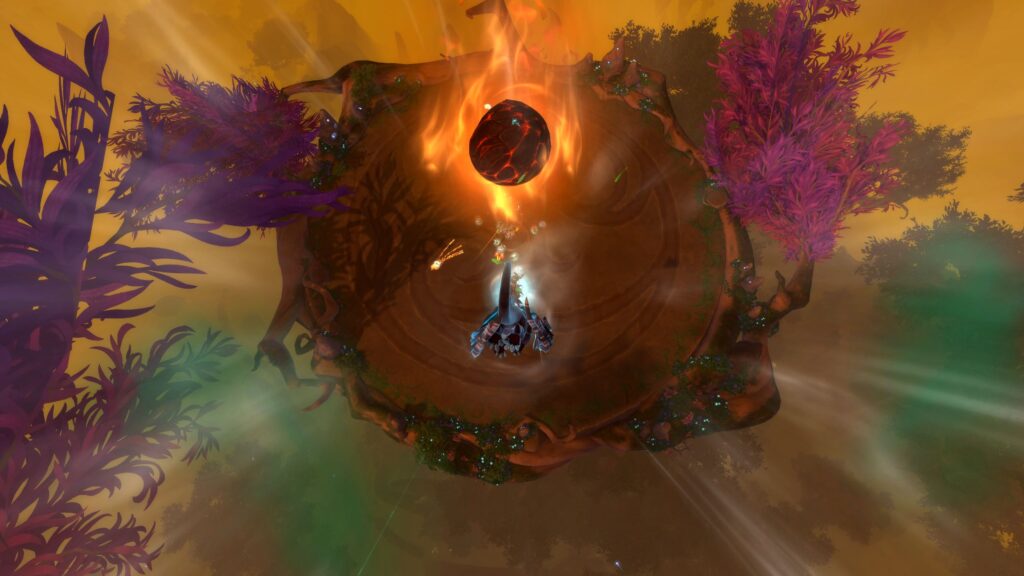
Communication is also important; coordinating with your group to execute a unified strategy will greatly improve your chances of success. Timing your cooldowns and defensive abilities accurately can mean the difference between life and death.
Moreover, group coordination is necessary for tackling complex encounters. Knowing exactly when to use your abilities, such as healing or crowd control, can shift the balance of the fight in your favor. Effective communication and synchronization among team members are crucial to ensuring that everyone works together seamlessly.
Frequently Asked Questions
What Etiquette Applies When Pugging Ahead of Guild Progression?
When pugging ahead of guild progression, be mindful of your teammates. If you can get kills and bring back gear and experience, it’s generally acceptable and even beneficial for the team.
However, avoid pugging mythic content, as this can cause complications if you need to fill in for the guild’s raids. Show respect for your teammates by avoiding actions that might lower their chances of getting loot.
Can Pugging Beyond Current Guild Progression Benefit the Group?
When you pug beyond current guild progression, it can bring both benefits and drawbacks.
On the upside, you’ll gain more gear and experience, which can help the team.
However, it can also lead to unevenness within the group and affect dynamics if some members start feeling left behind.
Make sure to communicate with your team and guarantee everyone is on the same page to avoid disputes.
Does the Leadership Style Affect the Effectiveness of Raiding?
The leadership style of your raid team impacts its effectiveness.
A ‘Janus-faced‘ approach balances human needs with authority, guaranteeing both camaraderie and discipline. Effective leaders motivate their members, manage roles, and explain strategies. This cohesion can greatly boost progress.
Conversely, poor leadership can lead to confusion, conflicts, and stagnant progression. Make sure that your leadership style complements your team’s needs to maximize success.
Are There Benefits to Setting Realistic Goals for Each Raid Session?
Setting realistic goals for each raid session is crucial. By doing so, you enhance teamwork and improve communication. This guarantees that you and your teammates are on the same page, working together to achieve specific objectives.
With clear expectations, everyone knows their role, making the raid more efficient and productive.
How Important Is Post-Wipe Discussion in Improving Future Attempts?
When you suffer a wipe in a raid, post-wipe discussion is pivotal. It allows you to analyze feedback, refine strategies, and hold individuals accountable for their actions.
This discussion helps to identify mistakes, creating a blueprint for future improvements. By evaluating what went wrong, you can adjust your approach, boost team morale, and increase your chances of success in subsequent attempts.
Conclusion
To master progression raiding in World of Warcraft, focus on forming strong raid teams, coordinating strategies effectively, and managing wipes and learning from them.
Improve mechanics execution by breaking down complex fights into phases and setting realistic goals.
Balance roles and choose the right tank based on the raid composition.
Practice and repetition are key to overcoming intricate encounters and achieving success in progression raiding.
Explore my blog for more content!