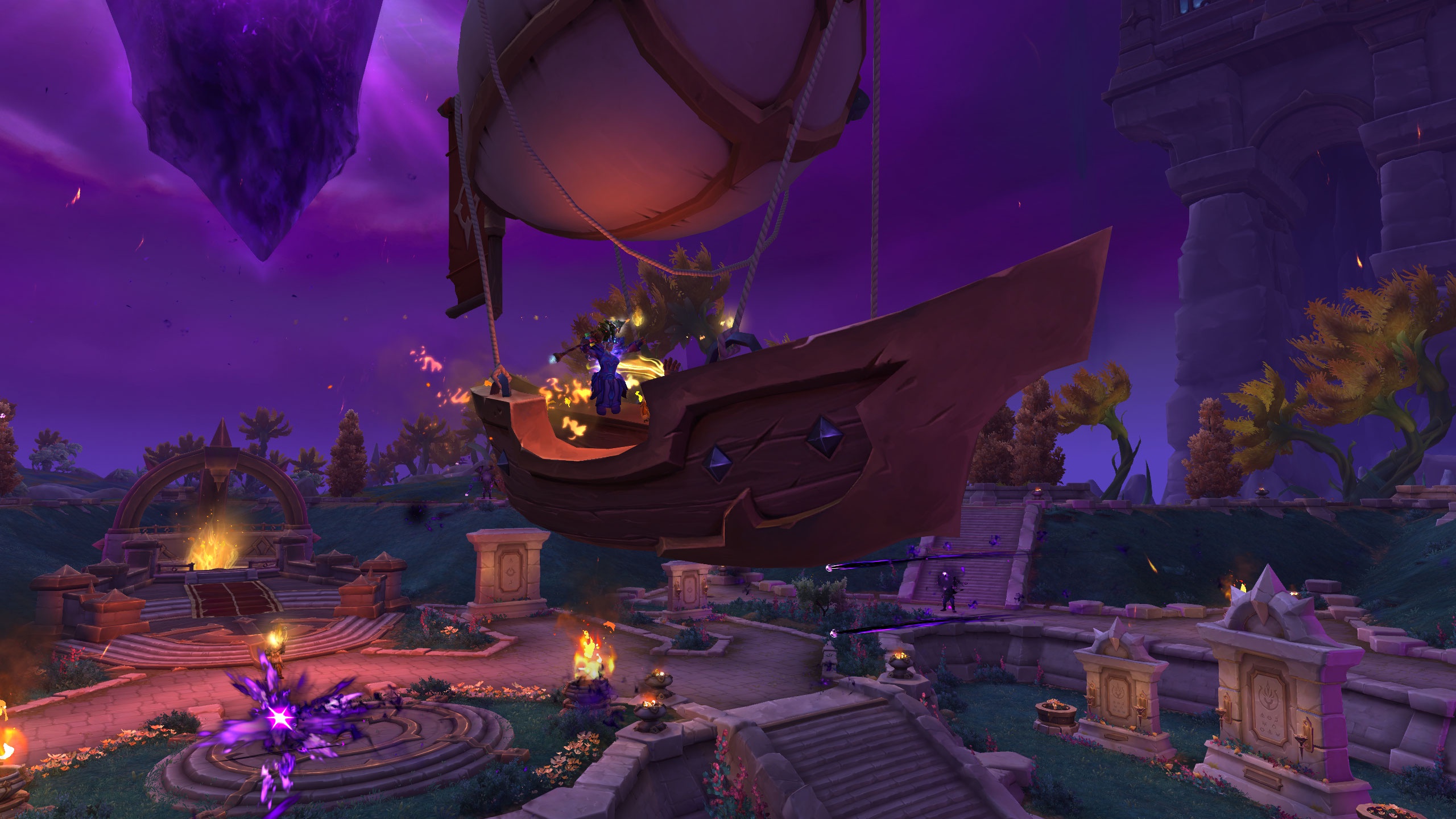
World of Warcraft (WoW) has captivated players for decades, and its dungeon design has played a pivotal role in that success. From the sprawling, unpredictable layouts of Vanilla WoW to the tightly scripted encounters of modern expansions, dungeon design has continually evolved to meet players’ expectations and adapt to changing gameplay trends. This evolution reflects Blizzard’s commitment to crafting engaging, challenging, and rewarding experiences. Let’s explore how WoW’s dungeon design has transformed over the years.
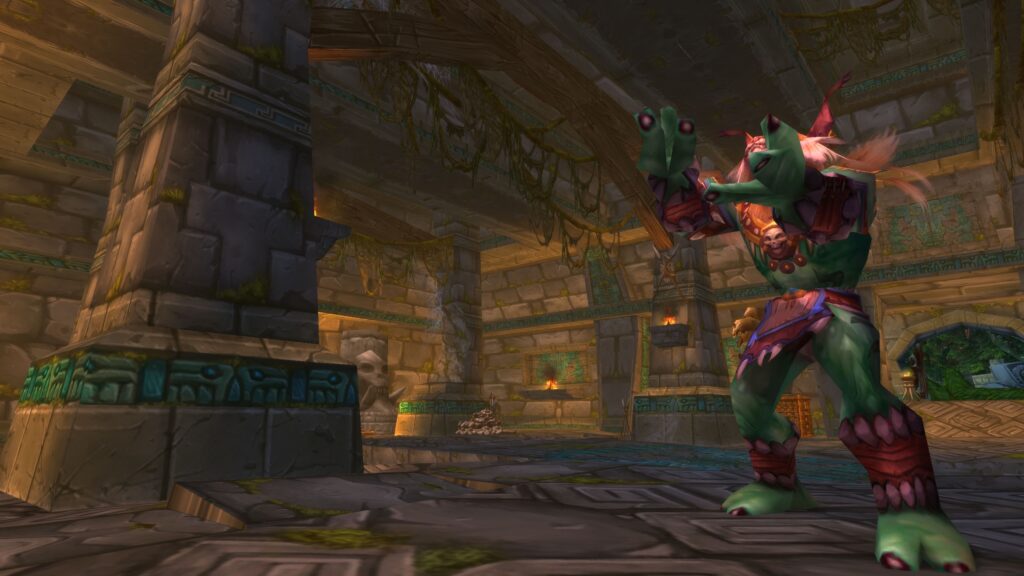
The Early Days: Chaos and Exploration in Vanilla WoW
In Vanilla WoW, dungeons were vast, labyrinthine, and often chaotic. They emphasized exploration and immersion, offering players a chance to delve into Azeroth’s darkest corners.
Key Features of Vanilla Dungeons:
- Complex Layouts: Dungeons like Blackrock Depths and Maraudon were sprawling and nonlinear, requiring significant navigation skills.
- Long Completion Times: Dungeons could take hours to complete, especially if players were unfamiliar with the layout.
- Minimal Guidance: Quest objectives were often vague, encouraging players to explore and learn through trial and error.
While these designs fostered a sense of adventure, they could also be frustrating for unprepared players, leading to the eventual streamlining of dungeon design.
The Burning Crusade: Refinement and Thematic Focus
With *The Burning Crusade* expansion, Blizzard began refining dungeon design, introducing shorter, more thematic instances. These dungeons balanced challenge and accessibility, appealing to a broader player base.

Notable Features:
- Thematic Cohesion: Dungeons like The Mechanar and Shadow Labyrinth tied closely to the expansion’s overarching narrative.
- Heroic Modes: The introduction of Heroic difficulty added replay value and scaled challenges for endgame players.
- Streamlined Layouts: More straightforward paths reduced confusion while retaining the sense of exploration.
The Burning Crusade marked a turning point, making dungeons more accessible without sacrificing depth or challenge.
Wrath of the Lich King: Cinematic Experiences and Accessibility
*Wrath of the Lich King* brought cinematic storytelling to dungeons, integrating them more deeply into the expansion’s narrative. Instances like Utgarde Keep and Halls of Reflection emphasized atmosphere and immersion.
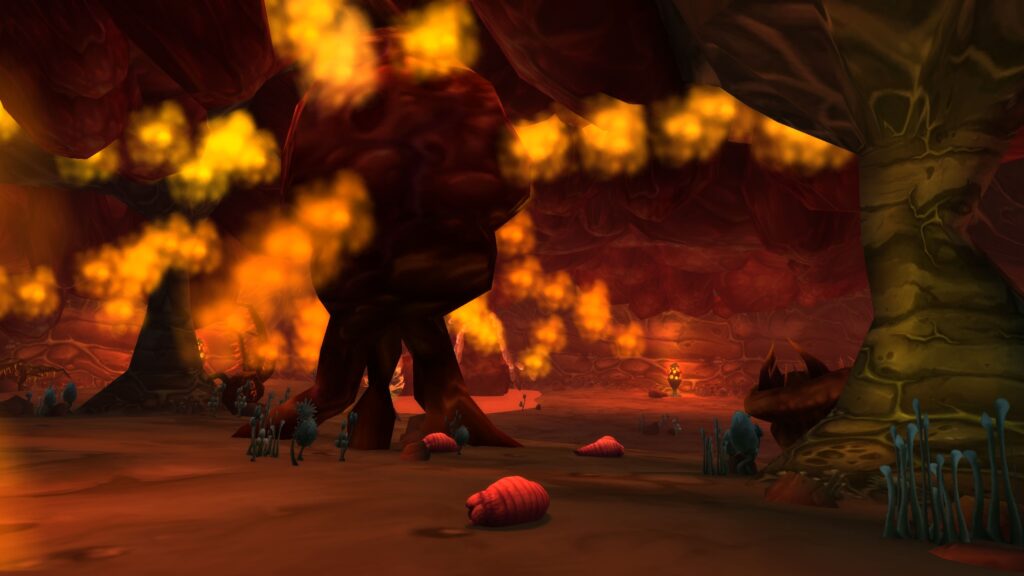
Key Advancements:
- Dungeon Finder Tool: Introduced in this expansion, it allowed players to queue for dungeons easily, reducing the barrier to entry.
- Cinematic Integration: Storytelling moments, such as the escape from the Lich King in Halls of Reflection, heightened immersion.
- Scalable Challenges: Heroic modes offered harder encounters with better rewards, catering to a wide range of skill levels.
Wrath’s dungeons struck a balance between accessibility and storytelling, setting a new standard for future content.
Modern Dungeons: Tight Mechanics and Mythic+ Innovation
Modern expansions, from *Legion* to *Dragonflight*, have continued to refine dungeon design, focusing on engaging mechanics, visual polish, and replayability through systems like Mythic+.
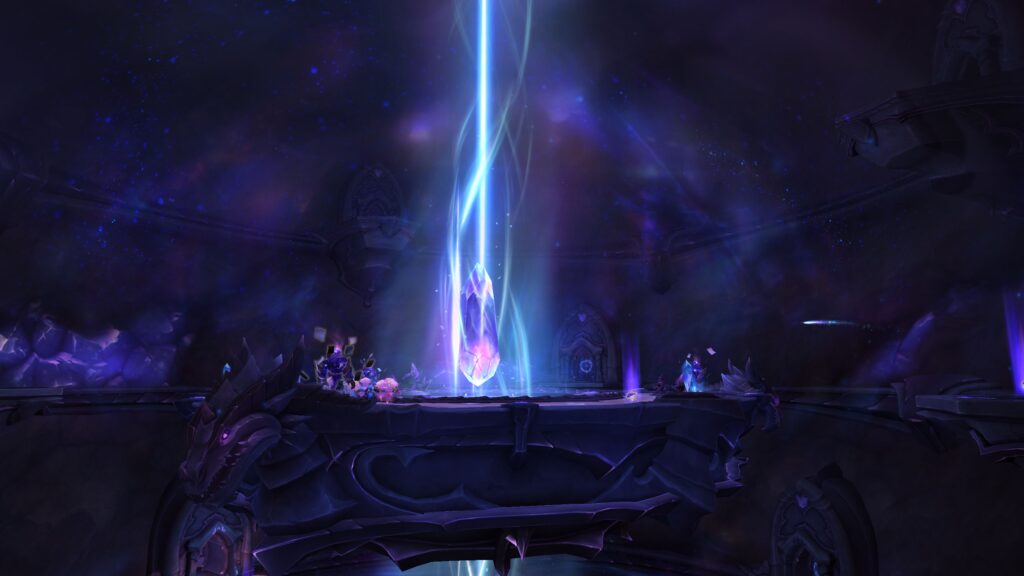
Notable Features of Modern Dungeons:
- Mythic+ System: Introduced in *Legion*, this scalable challenge mode adds affixes that change how dungeons are approached each week.
- Mechanically Intensive Encounters: Boss fights now require precise coordination, such as avoiding area-of-effect abilities or managing multiple objectives.
- Streamlined Storytelling: Dungeons like Tazavesh in *Shadowlands* combine tight narratives with fast-paced gameplay.
The Mythic+ system has redefined dungeons as an endgame activity, keeping content relevant and rewarding long after an expansion’s launch.
Conclusion
The evolution of dungeon design in WoW reflects Blizzard’s ongoing commitment to creating engaging and adaptable content. From the exploratory chaos of Vanilla to the precision of Mythic+ mechanics, each era has brought innovations that enhance the player experience. Whether you’re a fan of the sprawling complexity of early dungeons or the polished mechanics of modern instances, WoW’s dungeons remain a cornerstone of the game, offering endless opportunities for adventure and teamwork.
Home